


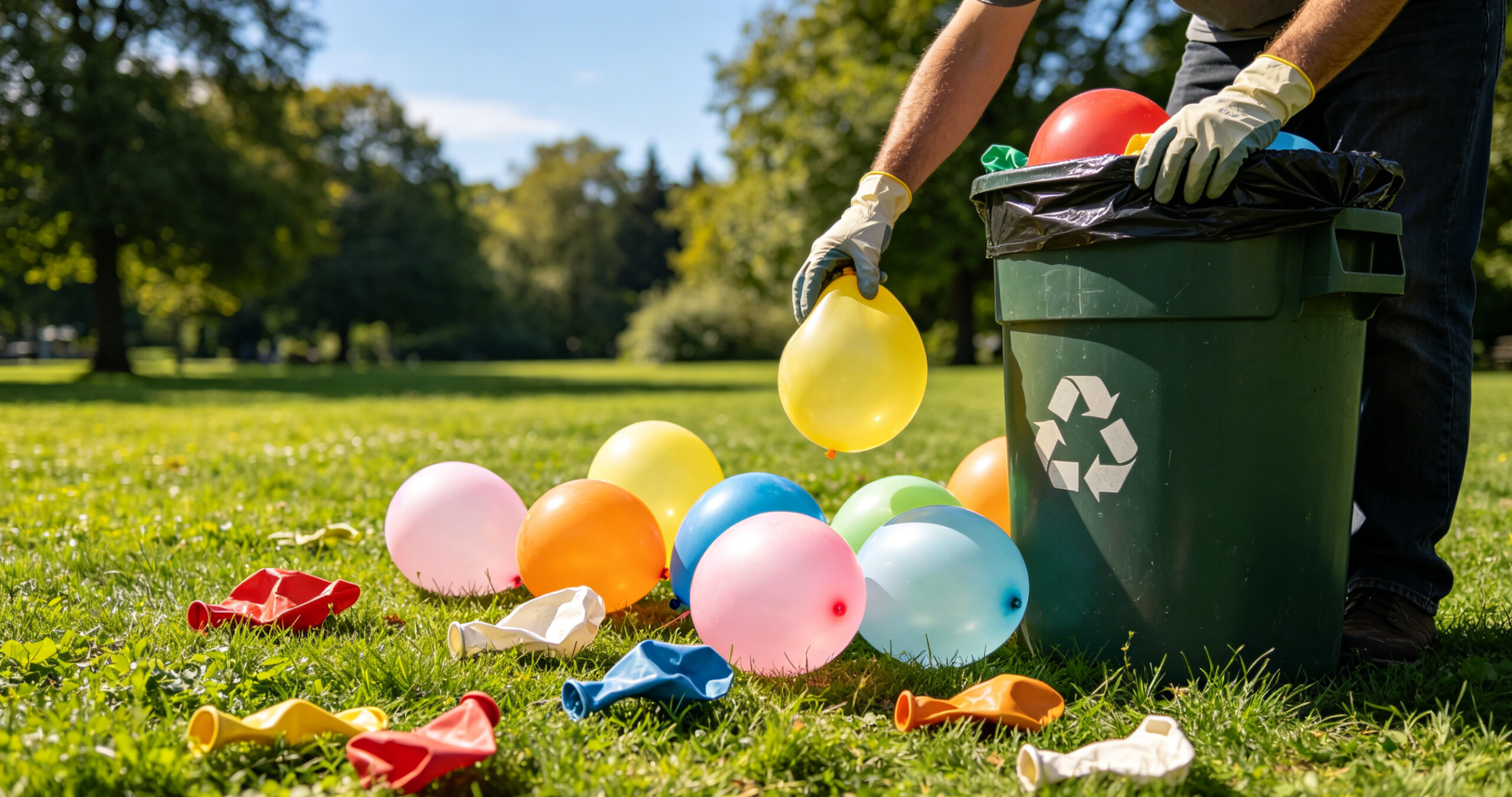
Balloons are a common part of birthdays, weddings, school events, brand launches, and celebrations of all kinds. But once the party is over, many people ask the same important question: are balloons recyclable?
The answer is not as simple as yes or no. Balloon recyclability depends on the material, the local recycling rules, and how the balloon was used. In most cases, traditional balloons are not accepted in curbside recycling programs, even when they look like they might be recyclable. Latex balloons, foil balloons, and specialty decorative balloons all behave differently in waste systems, and improper disposal can create environmental harm.
This guide explains balloon materials, recycling limits, disposal methods, and greener alternatives so you can make a more informed choice. If you are searching for a clear, practical answer to are balloons recyclable, the sections below will help you understand what can and cannot be done responsibly.
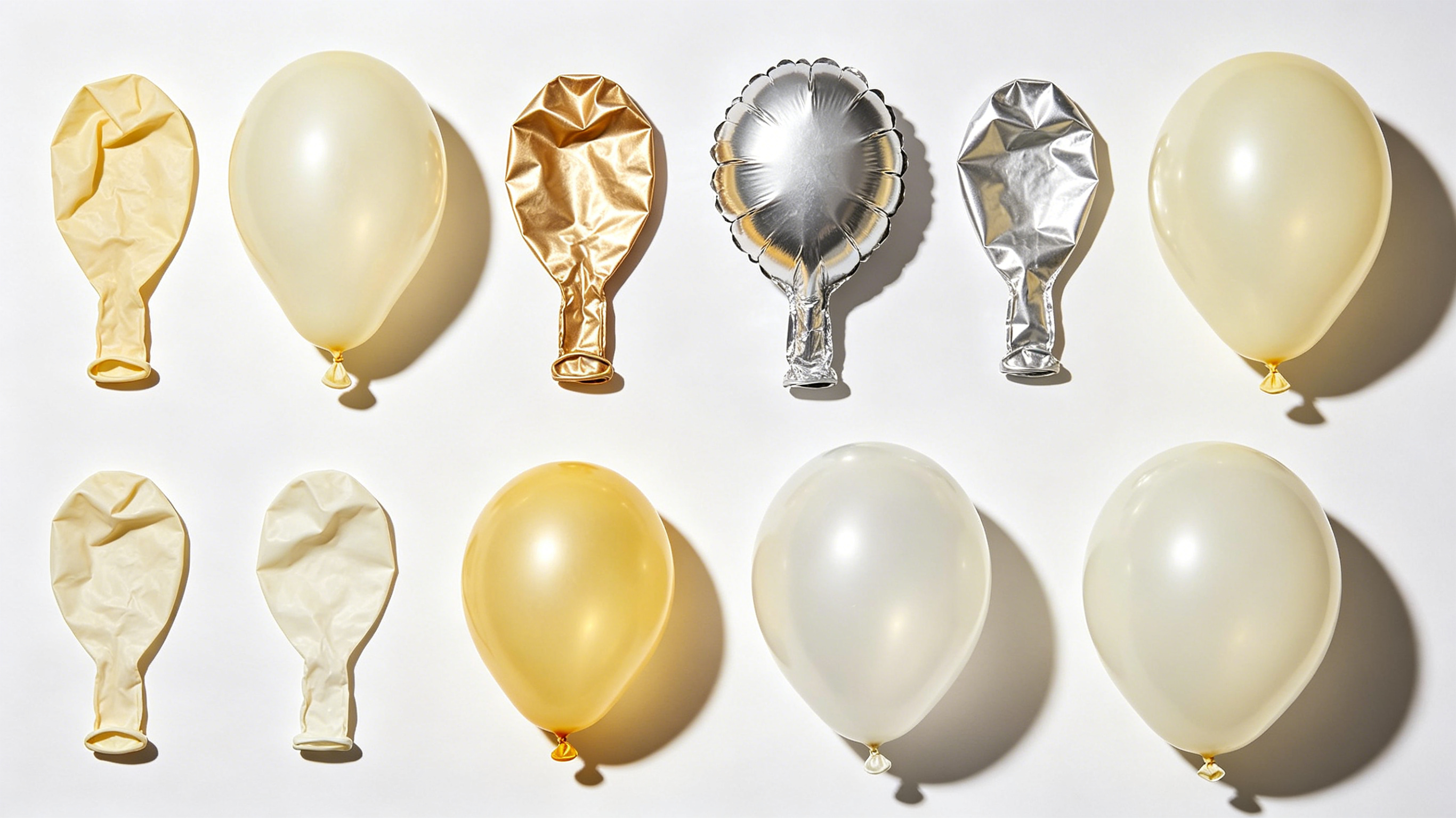
Before determining recyclability, it’s essential to understand the different materials used in balloon manufacturing. Balloons aren’t created equal—each type has unique properties affecting their environmental impact and disposal options. The material determines whether a balloon can be recycled, composted, or must be thrown away as general waste.
Latex balloons are usually made from natural rubber latex, which comes from the sap of rubber trees. Because latex is plant-based, many people assume latex balloons are naturally biodegradable or compostable. In reality, that assumption is often misleading.
Although latex is derived from a natural source, balloons are not the same as raw natural rubber. They often contain dyes, plasticizers, and other additives that affect how they break down. In addition, the balloon’s shape, thickness, and exposure to oxygen, sunlight, and moisture all influence decomposition. A balloon left outdoors may fragment over time, but that is not the same as complete, safe biodegradation.
Latex balloons are also very small and lightweight, which makes them difficult for recycling facilities to sort. Most curbside recycling systems are designed for rigid household materials such as paper, cardboard, glass, aluminum cans, and certain plastics. Thin, flexible latex does not fit those streams.
For that reason, even though latex balloons are made from a natural material, they are usually not recyclable in standard recycling programs.
Foil balloons are often called mylar balloons, but that name is technically misleading. Most foil balloons are not made from pure metallic foil. Instead, they are typically made from a thin plastic film, often polyester, that is coated with a metallic layer to create shine and help retain helium.
This layered construction is the main reason foil balloons are hard to recycle. Recycling works best when materials are clean, simple, and separated by type. Foil balloons combine plastic, metal coating, ink, adhesives, and sometimes plastic valves or ribbons. These mixed materials make them unsuitable for most curbside recycling systems.
Some specialized recycling facilities may accept certain types of clean balloon film or plastic-metal composites, but this is uncommon. In many communities, foil balloons must be treated as regular waste unless a local program specifically says otherwise.
So when people ask are balloons recyclable, foil balloons are generally one of the most difficult types to process.
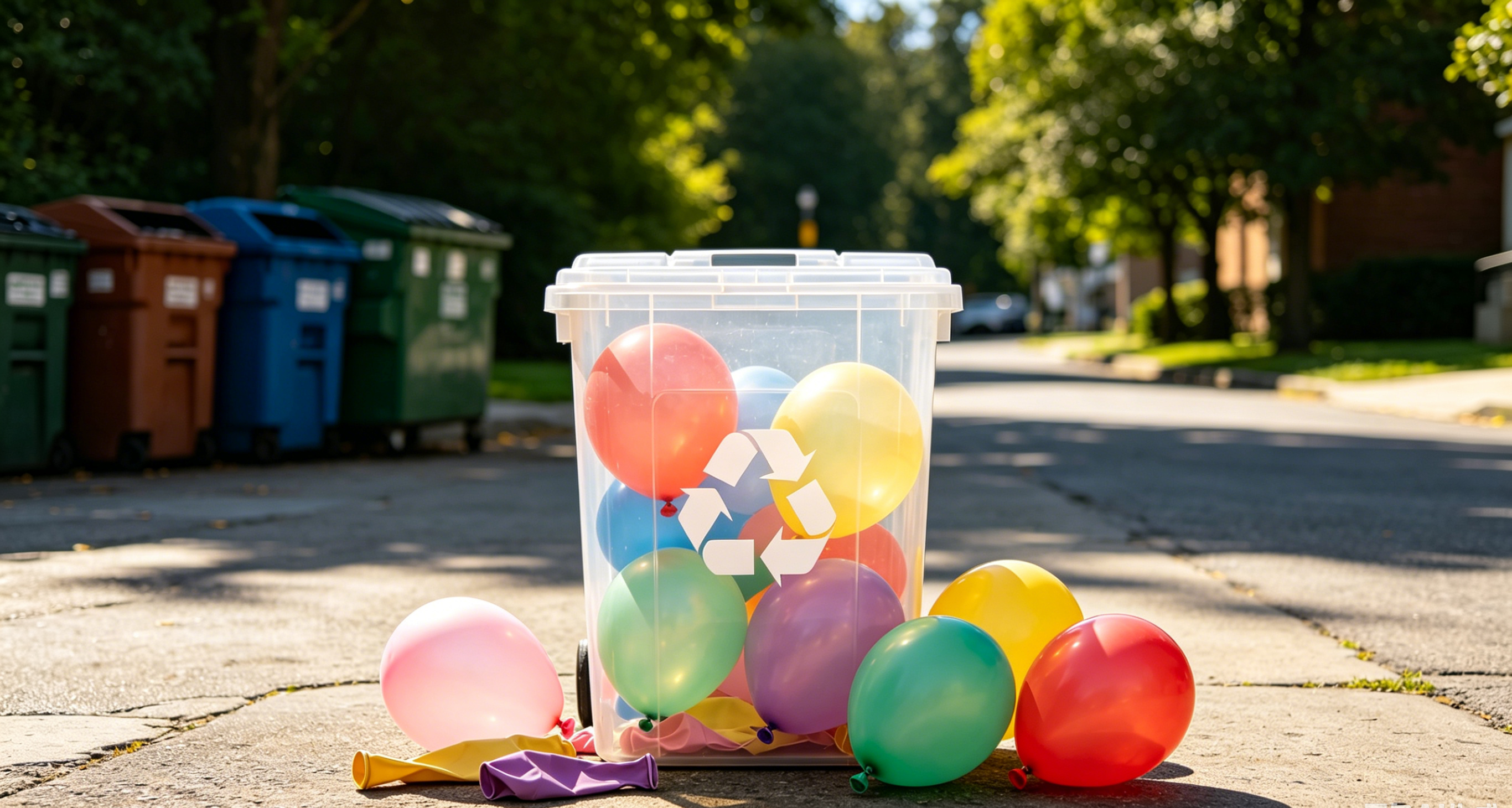
In most cities and towns, the answer is no. Balloons are usually not accepted in curbside recycling bins because they are considered contamination. Even if a balloon is technically made from a material that sounds recyclable, the actual product form makes recycling impractical.
Recycling programs are built around efficient collection and sorting. Balloons can tangle in machinery, slip through sorting screens, or get caught in processing equipment. This creates operational problems for recycling facilities and increases costs. As a result, many recycling centers clearly advise residents not to place balloons in the recycling bin.
The most important rule is this: do not assume a balloon is recyclable just because it has a shiny finish or feels like plastic. Always check with your local recycling program before disposing of it. In most cases, balloons should go in the trash unless a dedicated take-back or specialty recycling option exists.
Latex balloons are often mistaken for recyclable or compostable items, but they usually cannot be recycled for several reasons.
First, latex balloons are flexible and lightweight, which makes them difficult to sort in recycling systems. Second, they are often contaminated with strings, adhesive dots, printed designs, or helium valves. Third, many facilities do not accept rubbery materials in their recycling streams because the end markets for recycled latex balloon waste are limited.
Even when a latex balloon is made from natural rubber latex, recycling requires a process that can reliably collect and reprocess it into new products. For most municipal systems, that process is not available. In practice, latex balloons are usually treated as landfill waste or incinerated, depending on local disposal rules.
It is also worth noting that a “biodegradable” label does not mean the balloon will safely disappear in nature. Biodegradation depends on specific conditions that may not exist in the environment. So while latex may break down faster than some plastics, it is still not a good candidate for standard recycling.
Foil balloons are difficult to recycle because they are made from multiple bonded layers. The shiny outer layer is usually metallized plastic film, not pure metal. This means the balloon cannot simply be melted down with aluminum cans or sorted with regular plastics.
The mixed-material structure creates several problems:
Even if a foil balloon looks recyclable, most curbside recycling programs are not designed to process it. In addition, balloons that still contain air or helium can create hazards during collection and sorting. For these reasons, foil balloons are typically not accepted in household recycling.
Some event companies or specialty programs may collect unused foil balloons for reuse or separate processing, but that is not the norm. Unless a local authority or recycling service explicitly accepts them, foil balloons should usually be disposed of in the trash after deflation.
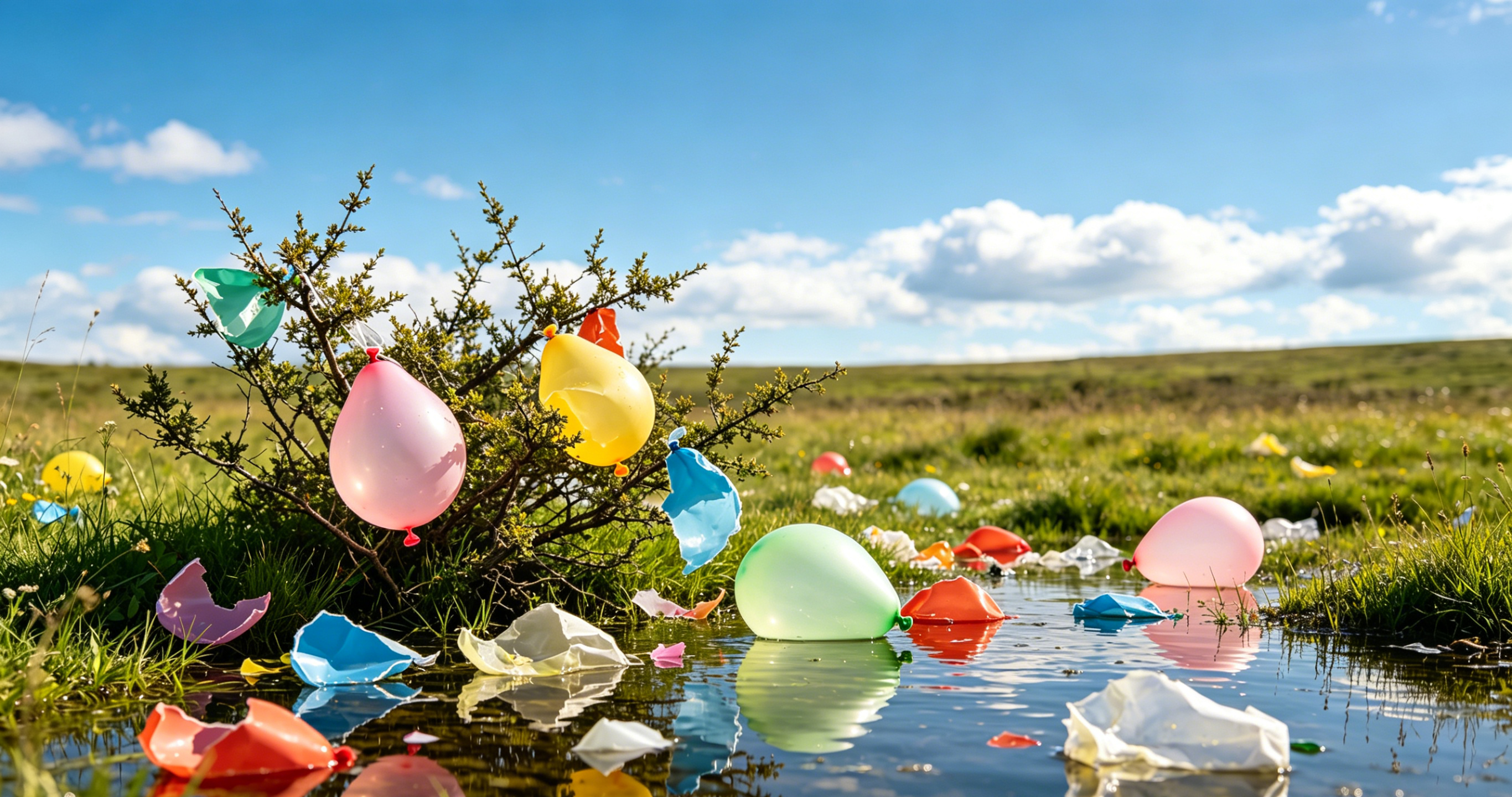
Balloon waste affects the environment in several ways. Even though a single balloon may seem insignificant, balloons are often used in large quantities during celebrations and events. The combined waste can become substantial.
One of the biggest concerns is litter. Balloons frequently escape outdoors during events, and once released, they can travel long distances. They eventually deflate, burst, or fall into natural spaces where animals may encounter them.
Wildlife can mistake balloon fragments for food. Birds, fish, and marine animals may swallow pieces, which can lead to choking, digestive blockage, or starvation. Strings and ribbons attached to balloons can also entangle animals.
Another issue is persistence. Foil balloons, in particular, do not break down quickly in nature. They can remain in the environment for a long time, contributing to plastic and metallic waste. Latex balloons degrade faster than foil balloons, but they still pose risks while they are breaking down, especially if wildlife comes into contact with them.
There is also an emissions and resource angle. Balloons require raw materials, manufacturing energy, packaging, and transportation. When they are used only briefly and discarded soon after, the environmental cost per use becomes relatively high.
While recycling options are limited, responsible disposal methods can significantly reduce the environmental impact of balloon waste. Proper handling ensures these materials don’t harm wildlife or contaminate natural spaces.
Latex balloons should usually go in the general waste bin after use. Do not place them in your household recycling unless your local provider explicitly accepts them, which is uncommon.
Before throwing them away, make sure they are completely deflated. Pop or open them carefully, then gather all pieces so they cannot become litter. If the balloon was part of a larger decoration, remove non-latex items such as plastic clips, ribbon, or tape and sort those separately if your local rules allow.
Never release latex balloons outdoors, even if labeled “biodegradable,” as they can travel great distances and harm wildlife before decomposition begins. If you used balloons at an outdoor event, collect and dispose of all fragments and accessories carefully. Small balloon pieces can be easily missed, but they are often the most harmful to wildlife.
If you are hosting a large event, set up clear waste bins for guests and assign someone to collect discarded balloon pieces promptly. This lowers the chance of litter spreading outdoors.
Foil balloons should also be deflated completely before disposal. Many foil balloons contain a self-sealing valve, so you may need to open the valve carefully or puncture the balloon in a controlled way if permitted by local safety rules.
If the balloon is still in good condition, consider saving it for reuse. Some foil balloons can be refilled and used again for another celebration, which is a better option than discarding them after a single event.
Some party supply stores offer take-back programs for foil balloons, providing specialized recycling or proper disposal—check with local retailers about available options. Never place foil balloons in recycling bins, as they can damage equipment and contaminate entire batches of recyclable materials. For events, consider designating a specific collection container for used foil balloons to prevent accidental release or improper disposal.
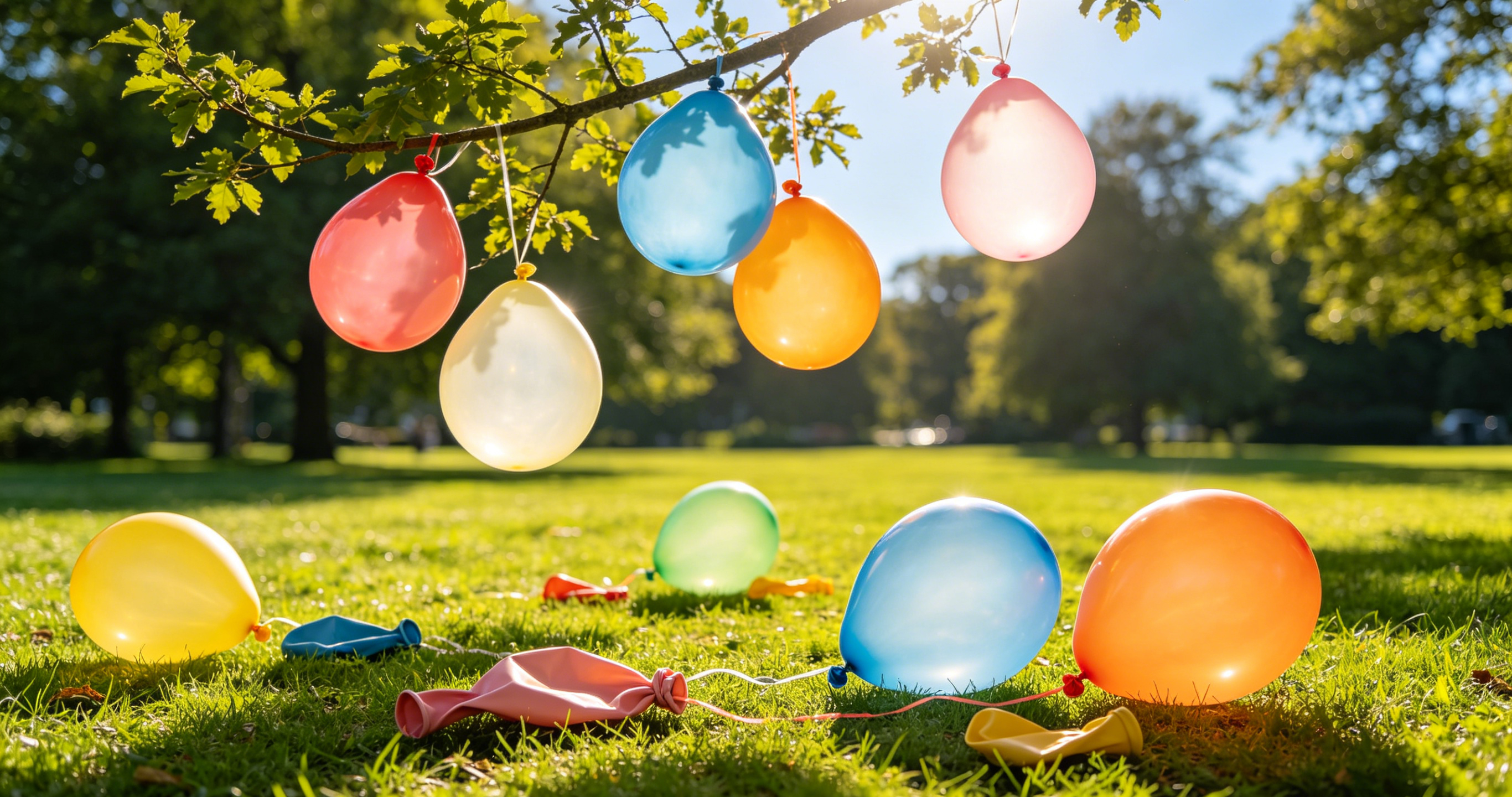
If your goal is to reduce waste, the best strategy is not just asking are balloons recyclable, but also choosing lower-impact alternatives from the start.
Paper decorations are a strong option for birthdays and events. Paper garlands, banners, pom-poms, and hanging fans can create a festive look without the same disposal problems as balloons. They are often reusable and easier to recycle when they are clean and free from mixed materials.
Fabric decorations are another sustainable choice. Cloth bunting, reusable backdrops, table runners, and draped textiles can be used for multiple events and stored for later use.
Natural décor such as flowers, greenery, wood accents, and potted plants can create a warm and elegant atmosphere with less waste. For outdoor events, these materials often feel more organic and visually appealing than balloons.
If you still want the look of balloons, consider using fewer of them and choosing reusable or reusable-style décor combinations. For example, one balloon cluster paired with fabric streamers or paper accents can create a similar visual effect while reducing the total amount of waste.
Some hosts also use digital displays, light projections, or themed signage as creative alternatives to balloon-heavy décor. These options may work especially well for brand events, product launches, and modern celebrations.
The future of balloon sustainability will likely depend on material innovation, better waste management, and more responsible consumer behavior.
Innovation in sustainable materials offers promising solutions for balloon enthusiasts seeking eco-friendly options. Companies are developing truly biodegradable balloons made from advanced plant-based polymers that break down completely within months under various environmental conditions. Some Balloon Supplier China are creating balloons from seaweed extracts and other marine-safe materials designed to degrade quickly if they enter ocean ecosystems.
Industry initiatives promoting balloon stewardship programs and take-back schemes aim to create closed-loop systems where balloon materials are responsibly recovered and repurposed. As consumer demand for sustainable products grows, these innovations will likely become more accessible and affordable, transforming how we celebrate while protecting our planet.
Still, the most realistic sustainability improvement today is behavior change. Event planners, retailers, and decorating companies can also help by educating consumers on proper balloon disposal methods and offering more environmentally friendly balloon solutions.
By understanding balloon materials, disposal challenges, and sustainable alternatives, you can make informed choices that align with environmental values while still enjoying festive celebrations.