



Balloons are one of the easiest ways to create a fun and festive atmosphere, whether you are planning a birthday party, wedding, baby shower, corporate event, or holiday celebration. But one common question always comes up before decorating: how long do balloons stay inflated?
The answer depends on several factors, including the type of balloon, whether it is filled with helium or air, the surrounding environment, and the overall quality of the balloon. Some balloons may only stay inflated for several hours, while others can last for weeks.
In this guide, you’ll learn exactly how long different balloons stay inflated, what affects their lifespan, and how to keep balloons looking fuller for as long as possible.

Balloons stay inflated because gas or air is trapped inside a stretchy material. Over time, the gas slowly escapes through tiny pores in the balloon surface, causing the balloon to shrink or deflate.
The inflation time depends mainly on:
Balloons lose air or helium through tiny pores in the material. Latex balloons are more porous, so gas escapes faster. Foil balloons have a metallic coating that traps gas better, allowing them to stay inflated much longer.
The gas inside also matters:
Helium-filled balloons generally deflate faster than air-filled balloons because helium molecules are smaller and escape more easily. Foil balloons usually last longer than latex balloons because their material is less porous. This is why air-filled balloons usually last longer than helium-filled balloons.
Understanding these basics helps you choose the right balloons for your event and avoid decorations deflating too early.
Not all balloons are created equal. Different balloon materials have very different inflation times. Choosing the right type is important if you want decorations to last through an event or multiple days.
Latex balloons are the most common and affordable option for parties and balloon bouquets. They are made from natural rubber latex, which is flexible but slightly porous. Latex balloons are biodegradable and inexpensive, but they have a short inflation time.
Average lifespan:
Smaller latex balloons usually deflate faster than larger ones because they contain less gas volume. Exposure to heat and sunlight can also shorten their lifespan significantly.
Latex balloons are ideal for:
Foil balloons, also called Mylar balloons, are made from nylon with a metallic coating. Unlike latex, foil material is much less porous, allowing the gas to remain inside longer.
Average lifespan:
Foil balloons are popular because they maintain their shape longer and come in many themed designs, letters, and numbers.
They are best for:
Bubble balloons are made from stretchy plastic rather than latex or foil. They have a transparent, smooth appearance and are known for their durability.
Average lifespan:
Because the material is highly durable and less porous, bubble balloons stay inflated much longer than traditional latex balloons.
They work especially well for:

Helium balloons float because helium is lighter than air. However, helium escapes quickly from some balloon materials, especially latex.
Standard helium latex balloons typically float for:
Professional decorators often use a product called Hi-Float to extend float time. This liquid coating seals the inside of the balloon and slows helium leakage.
With Hi-Float treatment:
If you need helium latex balloons for an event, it’s usually best to inflate them on the same day.
Foil balloons hold helium much longer because their metallic surface prevents gas from escaping quickly.
Typical float times include:
Some foil balloons may stay partially inflated even longer, although they gradually lose firmness over time.
Foil balloons are often the best choice when decorations need to last through a weekend or multiple-day celebration.
Air-filled balloons last much longer than helium balloons because air molecules are larger and escape more slowly.
Typical lifespans include:
| Balloon Type | Average Air-Filled Lifespan |
|---|---|
| Latex Balloons | 3–7 days |
| Foil Balloons | Weeks to months |
| Bubble Balloons | Several weeks |
Air-filled balloons are ideal for:
Because they do not float naturally, air-filled balloons usually require balloon stands, tape, or frames.
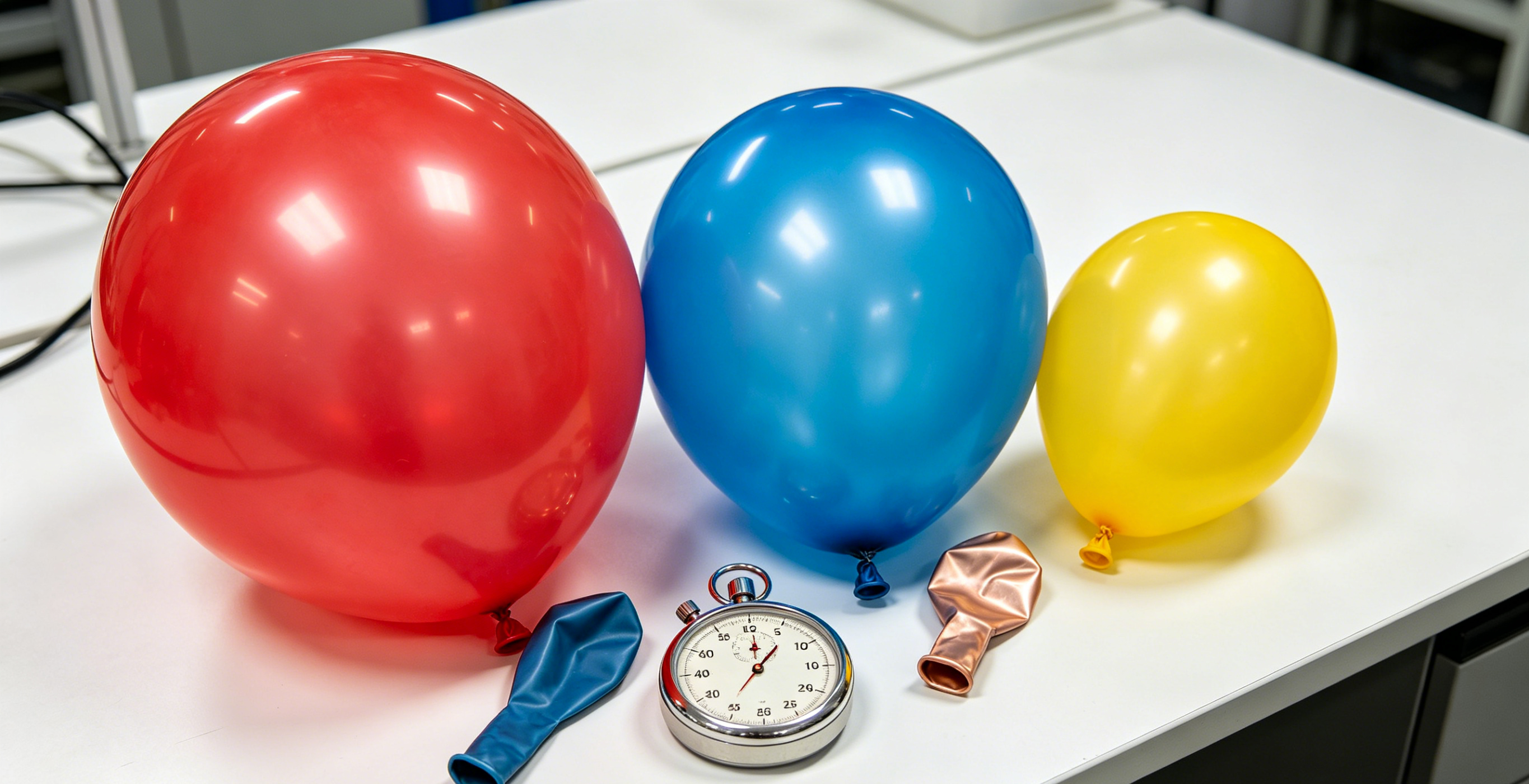
Several environmental and material factors can dramatically change how long balloons stay inflated.
Temperature is one of the biggest factors affecting balloon lifespan.
For best results:
Humidity affects latex balloons more than foil balloons.
Excess moisture can:
Indoor environments with moderate humidity are usually safest for longer-lasting decorations.
At higher elevations, lower air pressure causes balloons to expand more than usual.
This can lead to:
If you live in a high-altitude area, avoid overinflating balloons. Balloons inflated at sea level may pop when transported to mountain areas.
Not all balloons are made equally. Premium balloon brands generally last longer and maintain better shape retention.
Higher-quality balloons typically offer:
Cheap balloons may deflate quickly or burst more easily. Investing in quality balloons saves money in the long run.
Where balloons are displayed has a major impact on how long they last. Indoor balloons almost always last longer than outdoor balloons.
Indoor Balloons
Indoor conditions are more stable because balloons are protected from:
Indoor balloon decorations can often last several days or even weeks depending on the material.
Outdoor Balloons
Outdoor conditions are much harsher. Outdoor conditions are much harsher on balloons.
Sunlight and heat quickly damage balloons. Wind also increases friction and stress.
Outdoor latex balloons may last:
Latex balloons outdoors may only last a few hours in hot weather. Foil balloons usually perform better outdoors but still deteriorate faster than indoor decorations.

If you want your balloons to stay full and attractive longer, a few simple strategies can make a big difference.
Hi-Float is a liquid treatment placed inside latex balloons before inflation.
Benefits include:
This is especially useful for weddings and all-day events. Professional balloon decorators often use Hi-Float for weddings and large events.
Before and after inflation, proper storage matters.
Best practices include:
Never leave balloons in direct sunlight or freezing conditions.
Balloons are vulnerable to punctures and heat damage.
To extend balloon lifespan:
Even small scratches can weaken balloon material and cause sudden popping.
If balloons lose air too fast, several issues may be responsible.
Common causes include:
Checking these factors before your event can help decorations last much longer.
If your goal is maximum durability, consider these options:
| Balloon Type | Average Lifespan | Best Use |
|---|---|---|
| Latex + Helium | 8–12 hours | Short parties |
| Latex + Air | 2–7 days | Balloon arches |
| Foil + Helium | 3–14 days | Birthdays |
| Foil + Air | Weeks | Indoor décor |
| Bubble Balloons | Weeks | Premium displays |
For multi-day events, foil or bubble balloons are usually the best choice.

While balloons are fun decorations, safety and environmental responsibility are important.
Balloon Safety Tips
Uninflated or broken latex balloons can become choking hazards for young children and pets.
Environmental Considerations
Latex balloons are often marketed as biodegradable, but they still take time to break down in nature. Foil balloons are not biodegradable and may contribute to litter or electrical hazards if released.
Eco-friendly practices include:
Responsible balloon use helps reduce environmental impact while still creating beautiful event decorations.
So, how long do balloons stay inflated? The answer depends on the balloon type, inflation method, and surrounding conditions.
In general:
For the longest-lasting decorations, foil and bubble balloons are usually the best options. Proper storage, indoor use, and high-quality materials can also significantly extend balloon lifespan.
Whether you are planning a birthday party, wedding, or special event, understanding balloon inflation times helps you create decorations that stay beautiful from start to finish.
Air-filled balloons usually stay inflated for several days to a few weeks, depending on the material. Latex balloons tend to lose air faster, while foil balloons can stay blown up much longer.
A balloon without helium is typically filled with air, and it can stay up for days or even weeks. The exact time depends on the balloon type, size, and whether it is kept indoors in stable conditions.
Yes, you can usually make a balloon arch the day before. For the best look, use foil balloons or treated latex balloons and keep the arch in a cool indoor space to reduce deflation and popping.
Yes, foil balloons are a great choice for the day before because they hold air well and stay inflated longer than latex balloons. They are ideal for events that need long-lasting decoration.